Professional Tree Care Tips for Homeowners in Madison, GA
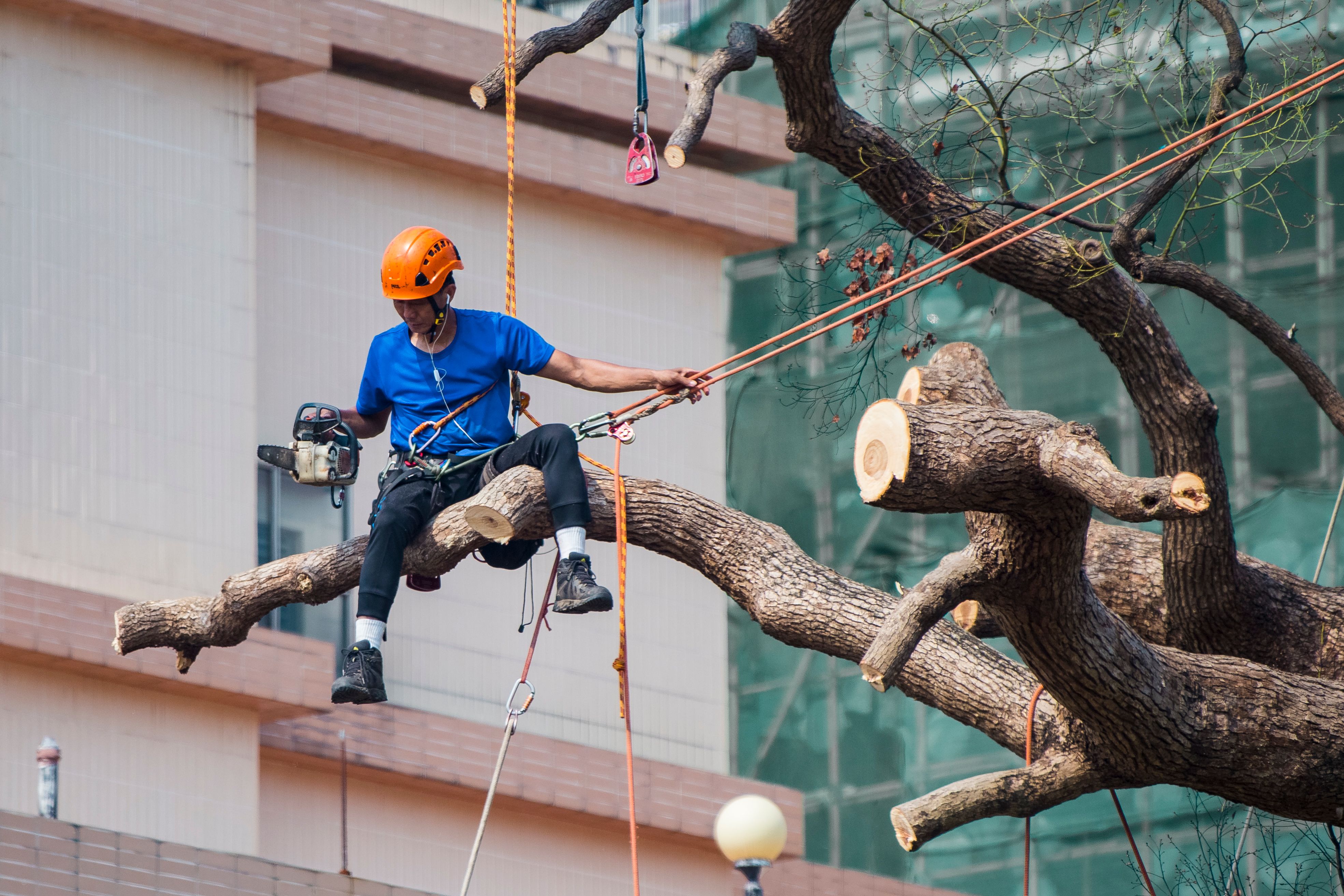
Trees add shade, beauty, and value to your property. They also provide space for birds and other wildlife. In Madison, GA, trees face hot summers, heavy rain, strong winds, and changes in seasonal weather. These conditions can affect tree health and create safety concerns around your home.
As a homeowner, you can protect your trees with regular care and proper planning. Healthy trees need suitable soil, enough water, careful pruning, and room to grow. You also need to know when a tree requires professional attention.
This guide explains practical professional tree care tips for homeowners in Madison, GA. You will learn how to inspect your trees, protect their roots, prepare for storms, and keep your yard safe throughout the year.
Why Tree Care Matters in Madison, GA
Madison, GA, has a humid subtropical climate. Warm summers and regular rainfall support the growth of many tree species. However, heat, excess moisture, storms, and poor soil conditions can place stress on trees.
A tree may look healthy from a distance while it has damaged roots, dead branches, or signs of disease. Regular inspections help you spot these problems before they become serious.
Protect Your Home and Family
Large trees often grow near houses, driveways, sidewalks, and outdoor living areas. Weak branches may fall during storms and damage roofs, vehicles, fences, or other property.
Check the trees around your home for visible cracks, dead limbs, unusual leaning, and damaged bark. Pay attention to branches that extend over roofs or areas where people gather.
If you notice a major crack or a large hanging branch, keep people away from the area. Contact a qualified tree care professional for an inspection. Do not climb the tree or attempt to remove heavy branches yourself.
Support Long-Term Tree Health
Healthy trees can provide shade and improve the appearance of your yard for many years. Proper care supports strong growth and helps trees handle common environmental stress.
Good tree care starts with the right conditions. Trees need enough space for their roots and branches. They also need suitable soil, proper drainage, and care that matches their species.
Avoid unnecessary cutting or heavy pruning. Excessive trimming can weaken a tree and make it more vulnerable to pests, disease, and weather damage.
Inspect Your Trees Throughout the Year
Regular tree inspections help you understand the condition of your landscape. You do not need special equipment to look for basic warning signs. A careful visual check can reveal changes that deserve attention.
Look for Dead or Damaged Branches
Dead branches may have no leaves during the growing season, brittle wood, or broken ends. Some branches may also show cracks or damage from earlier storms.
Check the lower branches and the visible parts of the canopy from the ground. Do not stand beneath damaged limbs to inspect them. Large branches can fall without warning.
If you see several dead branches, unusual canopy thinning, or large cracks, arrange a professional assessment. A tree expert can determine whether pruning or another treatment is needed.
Check the Trunk and Bark
The trunk supports the tree and carries water and nutrients between the roots and branches. Deep cracks, large areas of missing bark, and cavities may indicate structural or health problems.
Not every cavity means a tree must be removed. The tree's condition, location, size, and surrounding risks all matter. A trained professional can assess these factors before recommending work.
Also look for mushrooms or other fungal growth near the trunk or roots. These signs can sometimes indicate decay, so they deserve attention.
Watch for Changes in Tree Growth
Changes in leaf color, branch growth, and canopy density may point to stress. Leaves that wilt, develop unusual spots, or fall outside their normal season can have several causes.
Drought, excess water, insects, disease, and soil problems may produce similar symptoms. Avoid applying treatments without knowing the cause. A professional diagnosis can help you choose the right response.
Watering and Soil Care for Healthy Trees
Water and soil conditions have a direct effect on tree health. Madison, GA, receives rainfall throughout the year, but trees may still need extra care during dry periods. Heavy rain can also create problems when water collects around roots.
Water Trees Based on Their Needs
Young trees often need more frequent watering than established trees because their root systems are still developing. The amount of water they need depends on the species, soil type, weather, and planting conditions.
Check the soil before watering. If the root area remains wet, extra water may cause problems. During dry weather, slow and deep watering can help moisture reach the roots.
Avoid frequent, shallow watering that only wets the surface. Follow local watering guidance and adjust your routine when rainfall changes.
Protect the Root Zone
Tree roots need oxygen, water, and suitable soil conditions. Heavy foot traffic, parked vehicles, and construction can compact the soil. Compacted soil makes it harder for roots to grow and absorb what they need.
Keep heavy equipment away from the root zones of established trees when possible. Avoid raising or lowering the soil around a tree without expert advice. Even small changes near the trunk can affect roots.
Mulch can help retain soil moisture and reduce temperature changes around roots. Spread a suitable layer over the root area, but keep the mulch away from the trunk. Piling mulch against bark can trap moisture and encourage decay.
Improve Drainage Around Trees
Excess water can reduce the oxygen available to roots. If water remains around a tree after rain, review the drainage conditions in that part of your yard.
Do not dig trenches close to a tree without understanding where its roots extend. Cutting major roots can weaken the tree and create a safety risk.
For ongoing drainage problems, ask a qualified professional to assess the site. The right solution should manage water without causing further damage to nearby trees or your home's foundation.
Prune Trees With Care
Pruning removes selected branches to improve tree structure, manage damaged growth, and address certain safety concerns. However, incorrect pruning can cause lasting harm.
Know When Pruning Is Needed
Pruning may be appropriate when a tree has dead branches, damaged limbs, or branches that interfere with a building or walkway. Young trees may also benefit from careful structural pruning that supports balanced growth.
The best time to prune depends on the tree species, its condition, and the reason for the work. Some pruning can take place during dormancy, while damaged or hazardous branches may need attention sooner.
Avoid removing large amounts of healthy growth at once. Heavy cutting can stress the tree and leave large wounds that take time to close.
Avoid Topping and Unsafe Cutting
Tree topping removes large sections of the upper canopy. This practice can lead to weak regrowth, increase stress, and harm the tree's natural structure.
Use proper pruning methods that preserve the tree's natural form. For large limbs, tall trees, or branches near power lines, hire a trained tree care professional.
Never use a ladder with a chainsaw or climb into a tree to cut branches without proper training and equipment. Tree work carries serious risks, especially when branches are heavy or unstable.
Prepare Trees for Storm Season
Strong winds and heavy rain can place pressure on tree trunks, branches, and root systems. Storm preparation is an important part of professional tree care in Madison, GA.
Identify Potential Hazards Before Storms
Inspect trees near your house, garage, driveway, and outdoor seating areas. Look for broken limbs, cracks, root movement, and branches that touch the roof.
A tree that leans does not always present a danger, especially if it has grown that way for years. However, a new lean or lifted soil near the roots may signal a problem.
Arrange an inspection when you notice sudden changes. Early action can help you understand the risk and plan suitable work before severe weather arrives.
Check Trees After Heavy Rain and Wind
After a storm, look for broken branches, split trunks, damaged fences, and changes in the ground near trees. Stay away from hanging limbs and trees that appear unstable.
Never approach a fallen tree that touches a power line. Keep a safe distance and contact the utility provider.
If a tree blocks access or creates a hazard, contact a qualified professional. A proper response should include safe removal of the affected material and cleanup of the work area.
Choose Professional Tree Care Services
Some tree maintenance tasks are suitable for homeowners, but larger jobs need trained workers and proper equipment. Professional support can help you manage hazards and protect the rest of your landscape.
Know When to Call a Tree Care Expert
Consider professional help when you notice large dead branches, trunk damage, root problems, storm damage, or trees that grow close to structures.
A qualified tree care provider can inspect the tree, explain the risks, and recommend suitable options. Depending on the condition, the work may include pruning, hazard reduction, or removal.
Before hiring a provider, ask about experience, insurance, safety procedures, and the planned scope of work. Request a clear estimate that explains the services and cleanup.
Keep Your Property Clean After Tree Work
Tree care often creates branches, leaves, wood chips, and other debris. A complete service plan should explain how the crew will manage this material and leave the work area.
Confirm whether the estimate includes hauling, branch removal, stump work, and final cleanup. These details help you understand the full cost and avoid confusion after the job.
For local tree care information, visit here Z's Outdoor Services to explore services for properties in Madison, GA.
Create a Seasonal Tree Care Plan
A simple maintenance schedule helps you keep track of tree health and address concerns at the right time.
Spring and Summer
Check new growth, soil moisture, and signs of pests or disease. Water young trees based on their needs, and inspect mulch around the root zone. After strong storms, look for damaged branches and changes in tree stability.
Fall and Winter
Remove fallen leaves from walkways and keep drainage areas clear. Inspect trees for dead limbs and trunk damage. Schedule professional pruning when needed, based on the species and the condition of the tree.
Winter may offer a useful opportunity to assess tree structure for some species. However, do not delay urgent work just because the season is not ideal for routine pruning.
Protect Your Landscape With Smart Property Care
Tree care works best when it forms part of your wider property maintenance plan. Roof inspections, drainage checks, soil care, and storm preparation all help protect the area around your home.
Weather can affect trees, lawns, garden beds, and building materials at the same time. To understand these local conditions, learn more about how Georgia weather affects homes and landscapes in Madison, GA.
Keep Your Trees Healthy and Your Property Safe
Healthy trees need regular attention, suitable growing conditions, and proper care. In Madison, GA, changing weather makes it important to inspect trees, protect their roots, manage water, and prepare for storms.
Start with a visual inspection of the trees around your home. Address clear warning signs and seek professional advice when a problem involves large branches, structural damage, or unstable growth.
With a steady care plan and the right professional support, you can protect your property, support healthy trees, and maintain a clean outdoor space throughout the year.