How Georgia Weather Affects Homes and Landscapes in Madison, GA
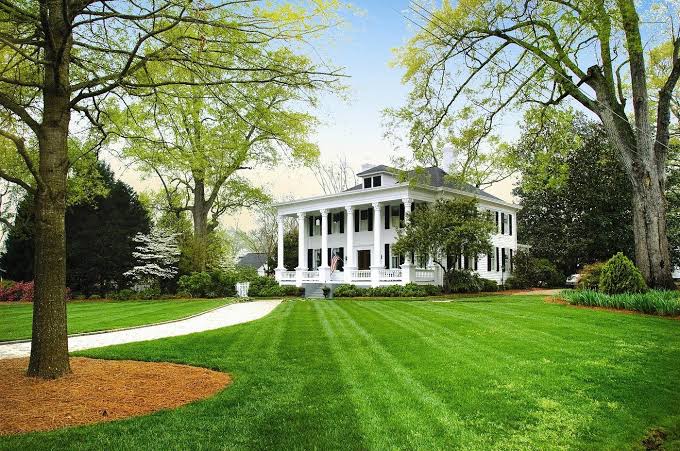
Georgia weather plays a major role in the condition of your home and outdoor space. In Madison, GA, hot summers, mild winters, heavy rain, and seasonal storms can affect roofs, siding, yards, trees, and garden beds. These weather changes can create problems if you do not prepare your property.
Understanding local weather patterns helps you protect your home, maintain a healthy landscape, and plan repairs before small issues grow. With regular care and smart property improvements, you can keep your outdoor space safe, useful, and attractive throughout the year.
Understanding the Climate in Madison, GA
Madison, GA, experiences a humid subtropical climate. Summers often bring high temperatures and humidity. Winters are cooler, but long periods of severe cold are less common than in many northern areas. Rain falls throughout the year, and strong storms can occur during different seasons.
These conditions affect both homes and landscapes. Heat can place stress on roofing materials and plants. Heavy rain can cause soil erosion and drainage problems. Strong winds can damage trees, fences, and outdoor structures.
When you understand these local conditions, you can choose suitable materials, plants, and maintenance plans for your property.
Hot Summers and High Humidity
Summer heat is one of the main weather challenges for homeowners in Madison, GA. Long periods of sun can heat roofs, driveways, patios, and exterior walls. High humidity can also affect wood, paint, and other building materials.
Your air conditioning system may need to work harder during hot weather. Poor attic ventilation and damaged roof materials can add to the problem. You can reduce these risks with routine roof checks, proper insulation, and clear attic vents.
Humidity also affects your yard. Some plants grow well in warm conditions, while others struggle during long periods without enough water. Choose plants that suit the local climate and match the sunlight and soil conditions in your yard.
How Heavy Rain Affects Homes and Outdoor Spaces
Rain helps plants grow, but too much water can damage your property. Madison, GA, receives rainfall throughout the year, so proper drainage is important for homes and landscapes.
Water that collects near your house can affect the foundation, damage garden beds, and create muddy areas. Poor drainage can also wash away soil and expose plant roots.
Protecting Your Home From Water Damage
Start by checking your gutters and downspouts. Leaves, dirt, and other debris can block the flow of water. When gutters overflow, rainwater may collect near your foundation or run down exterior walls.
Clean your gutters as needed and make sure downspouts direct water away from the house. Check the ground around your foundation for low spots where water collects after a storm.
You should also inspect your roof for loose shingles, damaged flashing, and other signs of wear. Repairing small issues can help prevent leaks during heavy rain.
If water enters your home, appears near the foundation, or continues to collect around the property, contact a qualified professional to assess the cause. A proper inspection can help you choose the right repair.
Preventing Soil Erosion in Your Yard
Heavy rain can carry soil away from slopes, garden beds, and areas with little plant cover. Soil erosion may leave roots exposed and create uneven ground.
Ground cover, shrubs, mulch, and suitable plants can help hold soil in place. On sloped areas, consider landscape designs that slow the movement of water. A professional can assess steep slopes and recommend drainage solutions when needed.
Avoid placing mulch against siding or covering exterior vents. Keep a suitable gap between landscape materials and your home's exterior to support airflow and reduce moisture problems.
The Effects of Georgia Heat on Landscaping
Your landscape faces different challenges during the warm months. High temperatures and direct sunlight can dry the soil. Plants may lose moisture faster than they can replace it, especially during periods of limited rainfall.
A healthy landscape needs a balance of sunlight, water, soil care, and plant selection. You do not need to redesign your entire yard to improve its condition. Small changes can make outdoor maintenance easier.
Choosing Plants That Suit Madison, GA
Native and climate-adapted plants are useful choices for local landscapes. They often handle regional conditions better than plants that need a different climate. However, every plant has its own needs for sunlight, drainage, and soil.
Before adding new plants, study the conditions in each part of your yard. Some areas may receive full afternoon sun, while others stay shaded for much of the day. Low spots may hold water after rain, while raised beds may dry out faster.
Select plants that match these conditions. This can reduce plant stress and help you avoid repeated replacements.
Keeping Lawns and Garden Beds Healthy
Warm weather can cause lawns to dry out, especially during extended periods without rain. Water your lawn based on its needs, soil conditions, and local watering guidance. Early morning is often a useful time because less water is lost to evaporation.
Mulch can help garden beds retain moisture and reduce weed growth. Apply it in an even layer, but keep it away from tree trunks and plant stems. Too much mulch can trap moisture and create other problems.
Check your plants for signs of heat stress, such as wilting or dry soil. Adjust watering based on the cause rather than adding water without checking. Overwatering can damage roots and create conditions that encourage disease.
How Seasonal Storms Affect Trees and Outdoor Structures
Storms can bring strong winds, heavy rain, and lightning to Madison, GA. These conditions can damage mature trees, break branches, loosen fences, and affect sheds or patio covers.
You can reduce some risks by keeping up with property inspections and addressing visible problems before storm season.
Inspecting Trees Before Storms
Trees add shade, beauty, and value to your outdoor space. However, damaged limbs and unstable trees may become safety concerns during severe weather.
Look for dead branches, visible cracks, leaning trunks, and signs of root problems. These warning signs do not always mean a tree will fail, but they deserve attention.
Do not attempt to remove large limbs or work near power lines yourself. Tree work can be dangerous, especially when branches are close to buildings or electrical equipment. Hire a qualified tree care professional to inspect trees that raise concerns.
After a storm, keep people away from hanging branches and damaged trees until the area is safe. Contact the proper utility provider if a tree or branch touches a power line.
Securing Fences, Sheds, and Patio Areas
Strong winds can loosen fence panels, damage outdoor furniture, and affect lightweight structures. Check fence posts, gates, shed roofs, and patio covers before storm season.
Secure outdoor furniture and store loose items when severe weather approaches. Inspect the ground around posts for signs of movement or water damage. Repairing loose parts can help reduce the risk of further damage.
Keep walkways clear of fallen branches and debris after storms. If a structure appears unstable, keep your distance until a qualified professional can inspect it.
Preparing Your Madison, GA, Property for Each Season
Seasonal maintenance helps you manage weather-related risks before they become costly problems. A simple plan can keep your home and landscape in better condition throughout the year.
Spring Maintenance
Spring is a useful time to inspect your roof, gutters, siding, and yard after winter. Remove leaves and debris from drainage areas. Check outdoor faucets, irrigation systems, and garden beds before temperatures rise.
Look for damaged branches and plants that need care. Repair small drainage issues before spring and summer storms bring more rain.
Summer Maintenance
During summer, pay attention to heat, humidity, and changing rainfall. Check your lawn and garden beds for dry soil. Inspect shaded areas for excess moisture and look for signs of wood damage around decks and fences.
Make sure your gutters remain clear during periods of heavy rain. Check outdoor structures for loose parts and schedule professional repairs when needed.
Fall Maintenance
Fall is a good time to remove leaves from gutters and prepare your landscape for cooler weather. Trim plants according to their needs and remove dead branches when it is safe to do so.
Inspect the roof and exterior before winter arrives. Check doors and windows for gaps that may allow drafts or moisture to enter. Store or secure outdoor items that could move during strong winds.
Winter Maintenance
Madison, GA, winters are often mild, but cold spells and occasional freezing conditions can still affect your property. Protect exposed pipes when freezing weather is expected. Follow the care needs of sensitive plants and inspect outdoor plumbing for leaks.
After a cold snap, check for damaged plants, loose exterior materials, and water leaks. Address problems before warmer weather brings more rain and humidity.
Smart Home Improvements for Georgia Weather
The right home improvements can help your property handle local weather conditions. Focus on changes that improve drainage, protect exterior materials, and support energy efficiency.
Improve Drainage Around Your Home
Good drainage helps move rainwater away from the foundation. Keep gutters clean, maintain downspouts, and address low areas that hold water. If the problem continues, a drainage professional can review the slope of your yard and suggest a suitable solution.
Maintain Roofs, Windows, and Exterior Walls
Your home's exterior protects the structure from rain, heat, and wind. Schedule inspections when you notice missing shingles, cracked caulk, damaged siding, or water stains. Repairing these issues can help prevent further damage.
Weather-resistant materials may also help when you plan a renovation. Choose products that suit local conditions and follow the manufacturer's installation guidelines.
Plan Improvements Around Your Budget
You can improve your property one project at a time. Start with issues that affect safety, water control, or the condition of the home. Then consider landscape updates, outdoor living areas, and appearance improvements.
For more ideas, learn more about smart property improvement ideas for homeowners in Madison, GA. A clear plan can help you set priorities and make choices that suit your property.
When to Call a Professional
Some maintenance tasks are suitable for homeowners, but others need trained support. Roof repairs, electrical concerns, major drainage work, unstable trees, and structural damage can pose serious risks.
Contact a qualified professional when you notice ongoing water intrusion, foundation concerns, large tree cracks, loose roof materials, or repeated flooding. Ask about the scope of work, safety steps, cleanup, and any repairs needed after the job.
Professional help can also be useful when you plan major landscaping changes. A landscape specialist can assess soil, slopes, plant needs, and drainage before work begins. This approach helps you avoid changes that may create new problems.
Enjoy a Safer, Healthier Property in Madison, GA
Georgia weather affects nearly every part of your property. Heat can stress plants and exterior materials. Heavy rain can create drainage issues. Strong storms can damage trees, fences, and roofs. Seasonal inspections help you spot these problems and respond before they grow.
With a practical maintenance plan, you can protect your home, support healthy landscaping, and keep outdoor areas ready for everyday use. Focus on drainage, tree safety, roof care, and plants that suit the local climate.
To explore more about the community and its local setting, click here to read about Madison, Georgia.
A well-maintained property is safer, easier to manage, and better prepared for changing weather. Start with the most important needs, schedule repairs when necessary, and keep your home and landscape ready for every season.